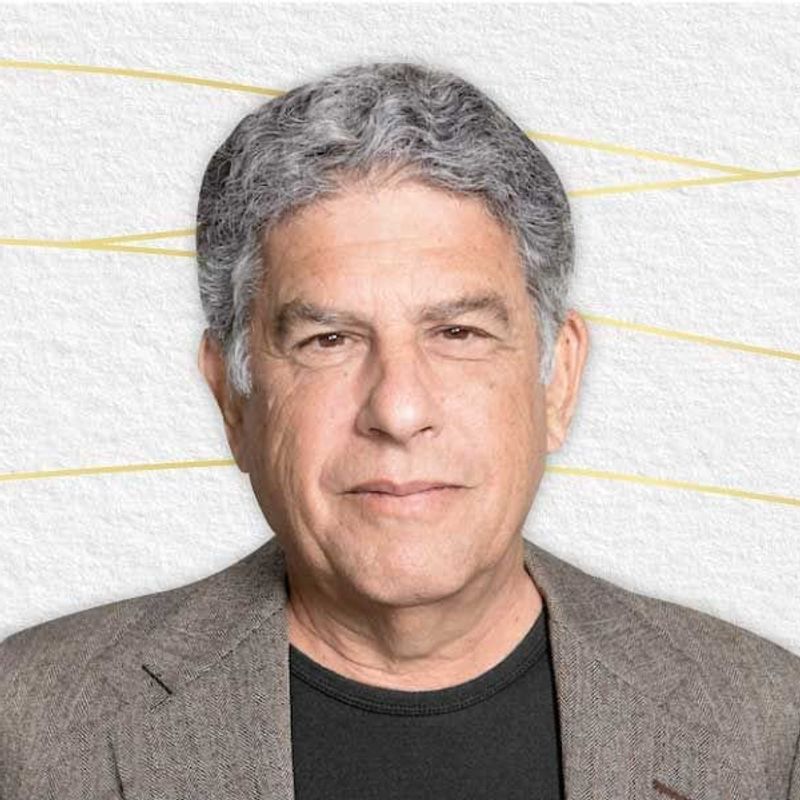
A path to forgiveness
Author Stephen Mitchell and Sage Robbins on awakening to higher meaningFor the vast majority of us, forgiveness doesn’t always come easily. We may say “It’s OK” when we perceive someone has wronged us, then dwell on that wrong. We remain angry at the person we believe slighted us. We dream up reasons for why they did what they did. Even if we do forgive them for what they’ve done, we will likely hold on to our anger over why they did it. This subconsciously twists our image of that person; we are telling ourselves a story about them, and in doing so we’re ingraining those beliefs in ourselves. The stories we tell about ourselves control the way we live and react to challenges – and the darker the tale, the darker your outlook.
That is why we must separate forgiveness from blame. Yes, perhaps someone hurt you in the heat of the moment. But haven’t you done that, too? Next time you’re angry at someone and blaming them for how they hurt you, think about how you’ve reacted to people when you are hurt, angry, tired or confused. You probably didn’t come off well either, did you?
When you embrace a path to forgiveness, you’re also forgiving yourself for thinking poorly of them. You’re giving yourself permission to feel and be human (after all, our brains are wired to expect the worst!), but also acknowledging that your knee-jerk emotions aren’t always the truth.
Forgiveness and gratitude
True forgiveness has a companion: gratitude. To truly live an extraordinary life, give thanks for everything that has happened in your life – yes, even the bad things. If your life always went according to plan, you wouldn’t grow much as a person, would you? Every challenge you face contributes to the person you want to be.
If someone wrongs you, forgive them. More than that, forgive yourself – and be grateful that you have this opportunity to examine your own thoughts and feelings on the matter. It’s how you grow as an individual. This is what the story from Genesis of Joseph and his 11 brothers is all about.
The story of Joseph
Tolstoy called it “the most beautiful story in the world.” It’s a tale of true forgiveness, and one of finding the higher meaning in difficult or even tragic life events. In this episode, you’ll hear Sage Robbins interview Stephen Mitchell, author of Joseph and the Way of Forgiveness, Stephen’s vivid reimagination of the classic Biblical story.
In Genesis, Joseph is an egotistical brat whose brothers plot his demise. But instead of becoming a victim, Joseph finds a path to forgiveness. He has an awakening to the higher purpose of it all. He begins to see his brothers as being sent by God to help him develop spiritually. He journeys from a place of victimhood to a place of empowerment. He’s literally transformed from being enslaved to being the right hand of the pharaoh of Egypt. And when the opportunity for vengeance comes, he doesn’t take it. He has reached the understanding that everything is meant to happen.